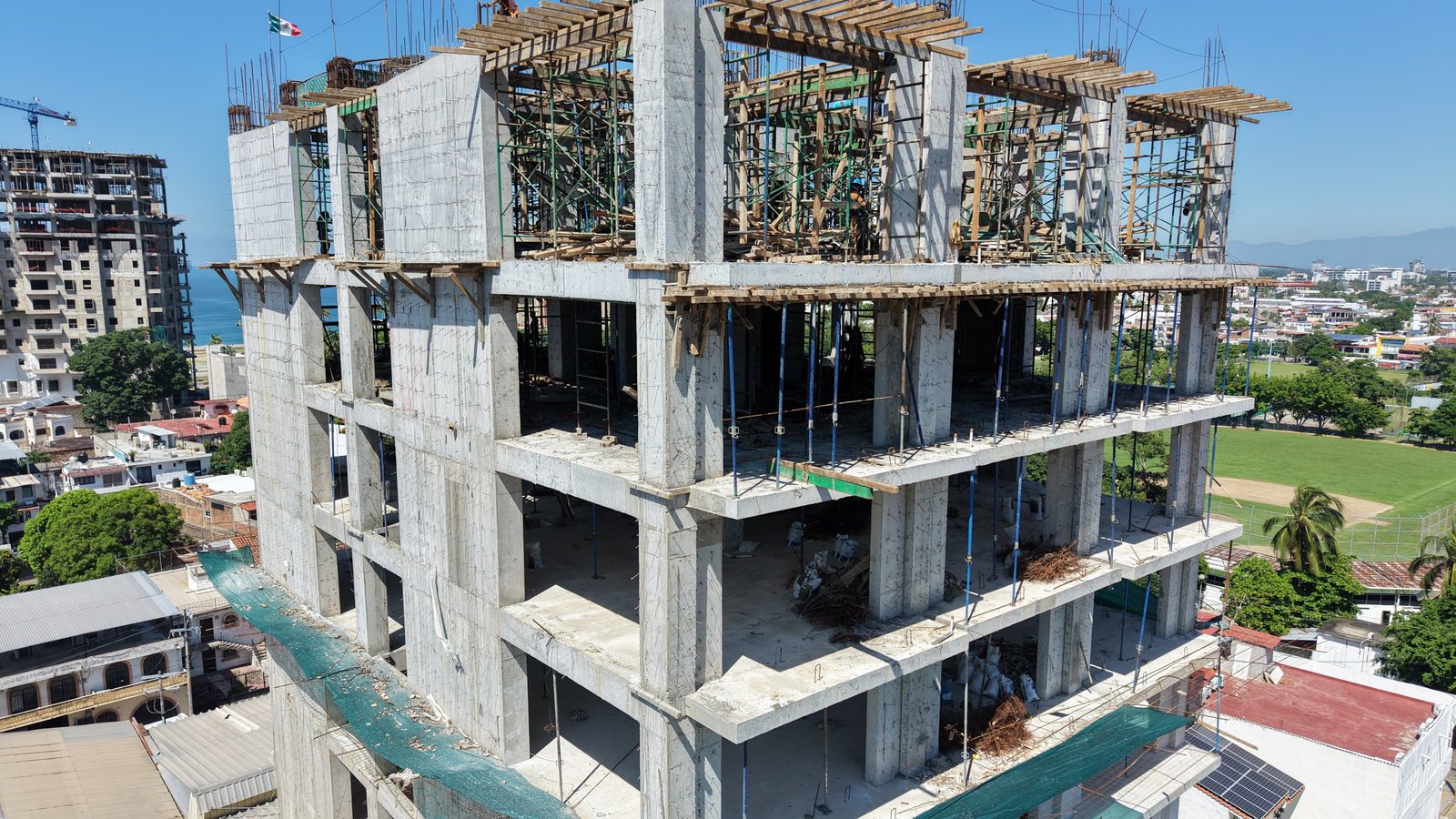
Most of what we sell these days is pre-construction, and the question we hear most often from buyers is a simple one: how does this actually work? You are handing over real money for a home that, in many cases, is still a hole in the ground or a concrete frame. That makes people nervous, and it should, until they understand the process and know what to check.
We understand it from both sides. Before Tom ever sold real estate here, he bought pre-construction himself. It was a historic building in Puerto Vallarta being converted into twelve condominiums, and Hannah was the agent selling it, which is how the two of us met. He paid about $270,000, took possession, and sold it a year later for $430,000. Not every purchase goes that way, and we would never promise that one will. But it is a good example of why so many buyers choose to buy early.
What pre-construction means here
Buying pre-construction, or preventa as you will hear it called locally, means buying directly from the developer before or during construction. The developer releases a price list when sales open, and prices usually step up as the building rises and units sell. Delivery is typically 18 to 36 months after sales begin, depending on the size of the project and where it is in construction when you buy.
The earlier you buy, the more you usually save, and the more choice you have of floors, views and layouts. The trade-off is that you wait longer, and you are trusting the developer to finish what they started. That is why most of this article is about how to protect yourself.
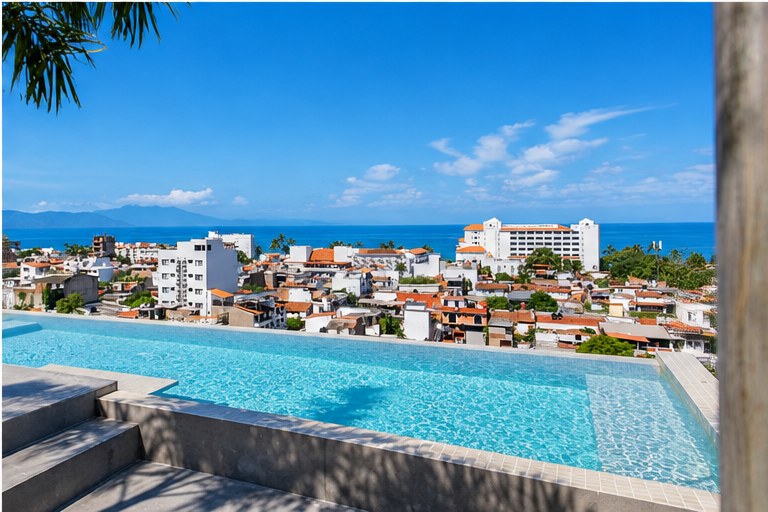
How the process works, step by step
1. Choose the residence and the payment plan
Every development publishes a price list with the available units and one or more payment plans. The usual pattern is that the more you pay up front, the bigger the discount. On one building we represent right now, paying 80% when you sign and the remaining 20% at delivery takes 30% off the list price. Other plans spread the payments out over the construction period for a smaller discount. There is no single right answer. It depends on how much cash you want to put to work now and how you feel about paying ahead of delivery.
2. Make an offer and reserve the unit
Once the developer accepts your offer, a deposit takes the unit off the market. On one of our current buildings, the buyer has three business days after acceptance to put down $5,000, then about two weeks for due diligence before the payment plan begins. Every developer sets their own terms, so ask what happens to your deposit if your due diligence turns up a problem.
3. Due diligence and the contract
This is where you and your attorney review the developer's paperwork and the purchase contract, usually a promissory purchase agreement. It should spell out the payment schedule, the delivery date, what happens if delivery is late, the specifications and finishes you are paying for, and what happens to your money if either side backs out. Read it carefully, and have it reviewed by someone who works for you, not for the developer.
4. Payments during construction
You pay according to the schedule you chose. Most developers send progress updates, and we visit the sites we sell regularly so our clients can see the building take shape. We post many of those visits on our YouTube channel, including a hard hat walk through Palmaré while it was still under construction.
5. Delivery
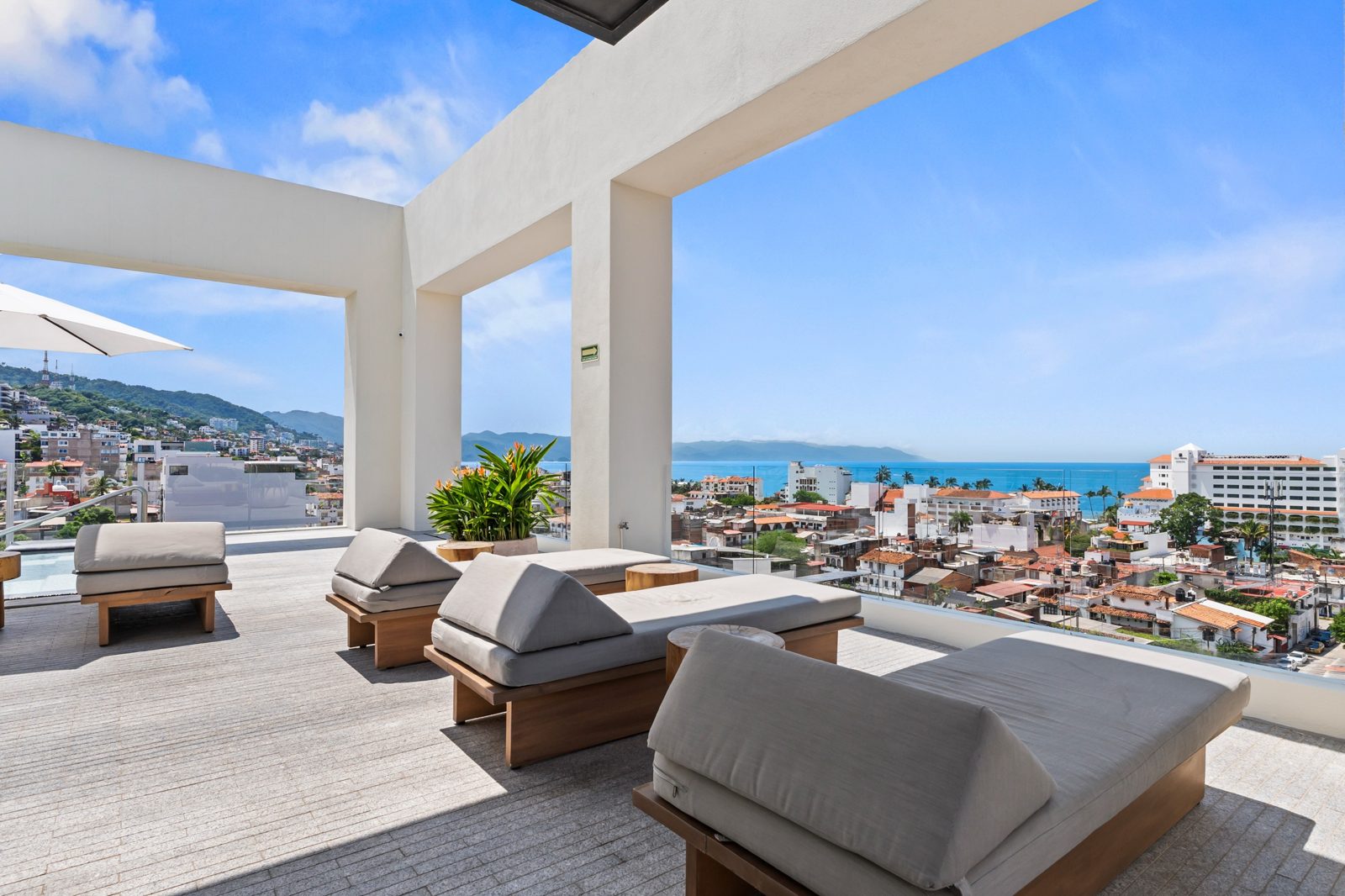
When the building is finished, you pay the remaining balance and receive the keys. This is also when you walk through the residence with the developer and note anything that needs fixing before you accept it. Take your time with this walk-through. It is much easier to get things corrected before you sign off.
6. Closing at the notary
Here is the part that surprises people. In Mexico, the formal closing, when the deed is signed before a notary and recorded, often happens three to six months after delivery, once the building's condominium regime and paperwork are in place. If you buy at the very start of a project, that can mean up to two and a half years between your first payment and your closing.
Closing costs here generally run 4% to 7% of the purchase price. Most of them are fixed fees paid in pesos, so they are a bigger percentage on a lower priced home, and the dollar amount moves with the exchange rate between the day you sign and the day you close. For Tom's own pre-construction purchase, which included setting up a new bank trust, closing costs came to 5.34%. If you are buying in the coastal zone as a foreigner, which covers all of Puerto Vallarta, you will hold title through a bank trust called a fideicomiso. We explain how that works in our guide to buying property in Puerto Vallarta as a foreigner.
The rendering and the real thing
When you buy pre-construction, you are buying from renderings and floor plans. So it is fair to ask how close the finished building will be to the pictures.
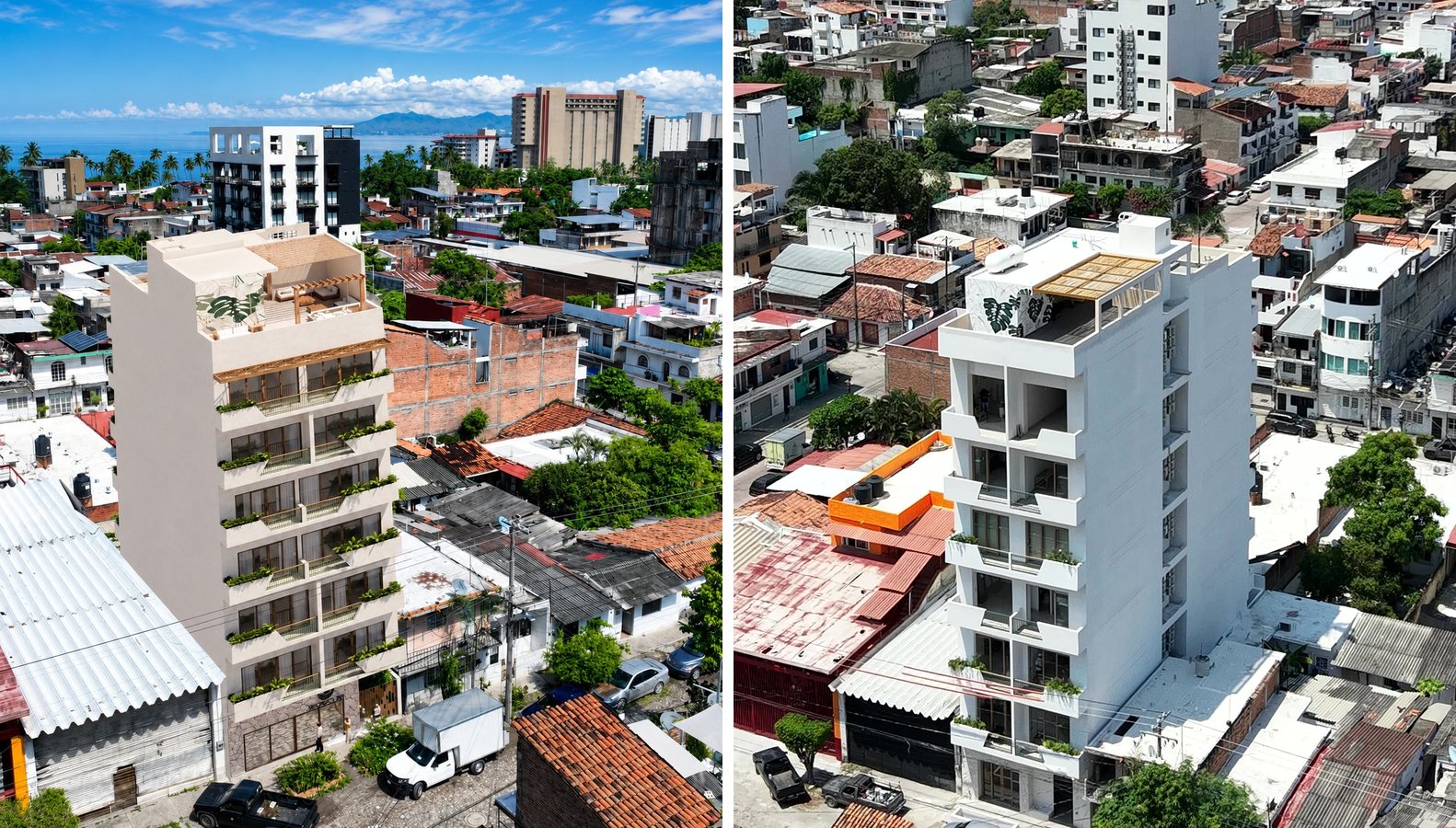
Trópico 1371 is a good example. The layout, the height and the rooftop are what buyers were shown. The exterior color and some of the finishes changed along the way, which is common. Developers adjust materials during construction, and renderings are an artist's interpretation, not a promise. What protects you is the specification list in your contract, so make sure it describes the finishes you care about, and do not rely on the pictures alone.
What to check before you put money down
- The developer's track record. Have they finished buildings before, and did they deliver on time? Go and see one of their completed projects, and if you can, talk to someone who bought there.
- Title and permits. Your attorney should confirm the developer owns the land free of liens and that the building license and land use permits are in place for what is being built. Beachfront projects also need federal permits for the beach zone.
- Where your payments go. Ask how your money is held during construction and what protections you have if the project stalls.
- The delivery date and the penalty clause. Find out what the contract says happens if the building is late.
- The specifications. Appliances, flooring, kitchen, bathrooms, windows. If it matters to you, it should be in writing.
- HOA fees and rental rules. Ask for the estimated monthly maintenance fee, and if you plan to rent the home, confirm that short-term rentals are allowed.
- Your own attorney. Use one who represents you, not the developer.

Why buyers still choose it
With all of that to check, why do so many of our clients buy pre-construction? Because the advantages are real. You usually get in at a lower price than a comparable finished home, you pay over time instead of all at once, and buildings in good locations often gain value while they are being built. You also get a brand new home with the newest building standards, and you get first choice of the best units.
The trade-offs are just as real. You wait, sometimes longer than planned, and you have no rental income in the meantime. Your payments are in dollars, but your closing costs will be in pesos. If you need a home to live in or rent out right away, a resale property may suit you better, and plenty of our clients own one of each.
What we would tell a friend
Buy from a developer with finished buildings you can go and stand in. Read the contract, not the brochure. Pay attention to the specifications and the delivery terms. And work with someone who visits the construction sites and will tell you honestly when a project does not look right.

We work with several developers here, and some of the best opportunities are offered to our buyers before they are ever listed publicly. If you would like to hear about new buildings early, or talk through whether pre-construction makes sense for you, send us a note or a WhatsApp. We are always glad to help.
Tom & Hannah
Selling Puerto Vallarta
Tom Gordon & Hannah López
Coldwell Banker La Costa, Puerto Vallarta
Hannah Lopez & Tom Gordon Team
Coldwell Banker Global Luxury · CLHMS · AMPI
tom.gordon@luxuryvallartarealty.com
WhatsApp +1 512 569 6371
luxuryvallartarealty.com
Renderings are artist’s interpretations and finished buildings may differ. Payment plans, deposits and terms vary by developer and change over time. This article is general information based on our experience, not legal, tax or investment advice. Always have your contract reviewed by your own attorney.
Written November 2026.