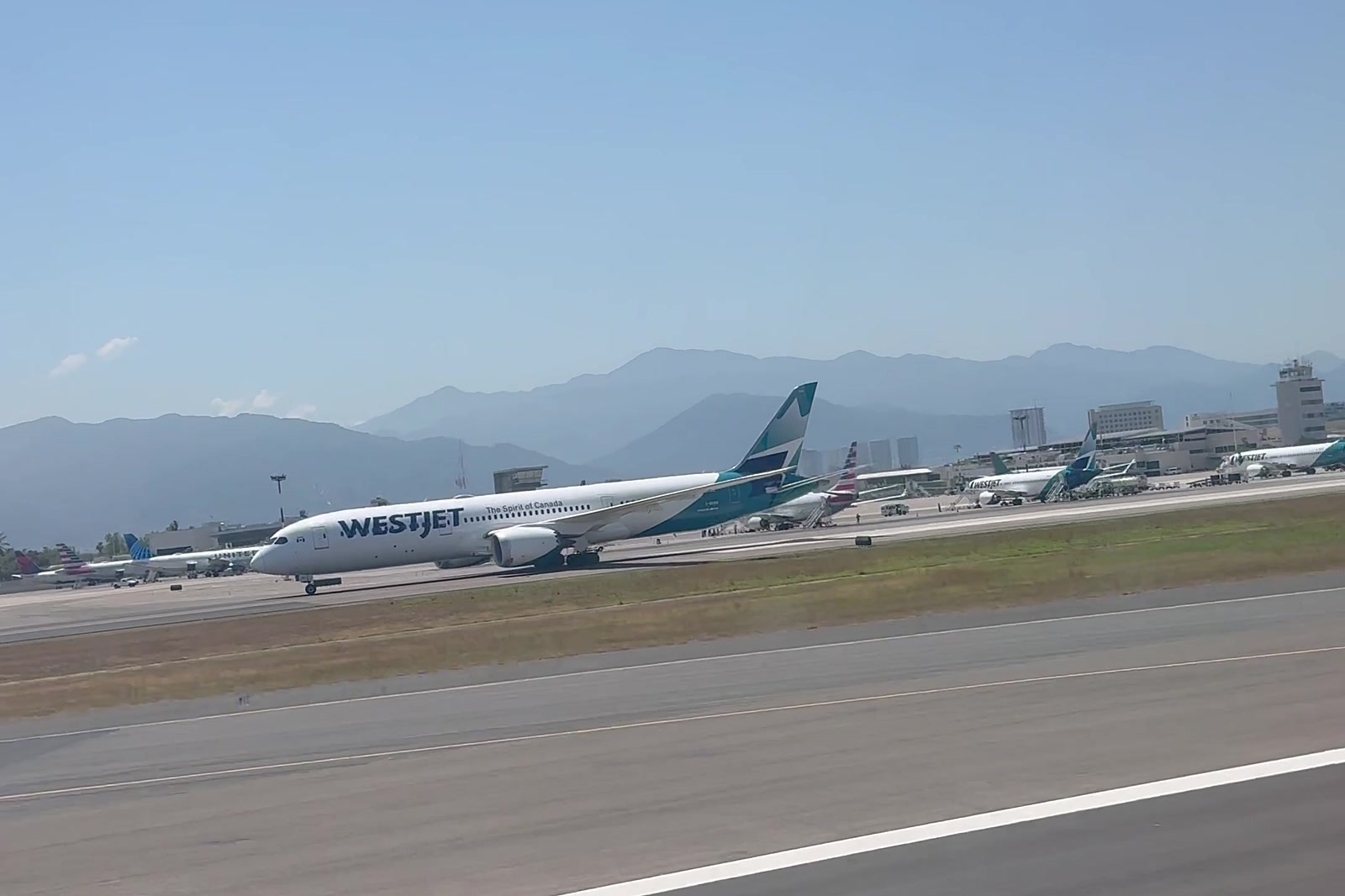
If you are planning a trip to Puerto Vallarta next year, you may see a small increase in the government fees included in your airfare. Mexico is proposing to raise its existing tourist entry fee, and we wanted to explain what that means for our clients, friends and visitors.
We also want to share something that surprises almost everyone we tell, including people who have lived here for years: if you hold Mexican residency, you should not be paying this fee at all, and you can ask for it back.
What is changing
The first thing to know is that this is an increase to a fee Mexico already collects. Most people flying into Mexico have been paying it through their airline ticket without giving it much thought. On your fare breakdown it usually shows up under the tax code UK.
The fee is called the Derecho de No Residente, or DNR. It would rise from 983 pesos to 1,158 pesos per person in 2027, an additional 175 pesos, or about US$10 depending on the exchange rate. That is a 17.8% increase, roughly half of what was originally proposed. The Chamber of Deputies approved it on October 13, 2026, and it now goes to the Senate.
The government says the increase will fund the modernization of immigration, including updated technology and faster entry processing. For anyone who has landed during a busy afternoon at the airport, shorter immigration lines would certainly be welcome. Tourism businesses have raised concerns about adding to travel costs, and we understand why every increase gets attention, especially when families are buying several tickets.
Who pays, and who does not
The fee applies to foreign visitors entering Mexico without permission to work, which covers tourists and most business travelers.
You do not owe it if you are:
- A temporary resident or a permanent resident of Mexico, entering under your valid residency
- A Mexican national
- A child under two
- Airline or ship crew
One point causes a lot of confusion. What exempts you is your residency status, not your RFC. Having a Mexican tax number does not, on its own, excuse you from the fee.
There is also a land border exception. Visitors who drive in and stay seven days or less do not pay it. Stay longer, and it is collected when you leave.
What it adds up to for a family
On its own, 175 pesos is small. For a couple flying down for a vacation or to look at properties, it means 350 pesos more per trip. It adds up faster for families and for people who come back several times a year.
| Travelers paying the fee | 2026 (983 pesos each) | 2027 proposed (1,158 pesos each) |
|---|---|---|
| One person | 983 pesos | 1,158 pesos |
| A couple | 1,966 pesos | 2,316 pesos |
| A family of four | 3,932 pesos | 4,632 pesos |
A couple who flies down four times a year would pay 9,264 pesos in entry fees alone under the new rate. For people who already live here part of the year and qualify for residency, that is money they never needed to spend.
To see whether you paid it, look at the tax breakdown on your ticket receipt or e-ticket. The fee usually appears as a separate line under the code UK.
Residents: you can ask for that money back
Because the fee is baked into the fare, many residents pay it on every flight home without realizing it. If that is you, you can request a refund from the airline after you travel.
We will admit something here. Neither of us has ever requested this refund, even though we could have and should have. Writing this article is our reminder as much as yours.
What you will need:
- Your ticket number
- A copy of your residency card, front and back
- A short note asking for a refund of the DNR (tax code UK) because you hold Mexican residency
Deadlines vary by airline, so file soon after each trip. American and Alaska, for example, require refund claims within 12 months of the date the ticket was issued. Some airlines push back on the first request. If that happens, ask again and point out that the exemption for residents is written into Mexican law.
One thing we often clear up for buyers: owning a home in Mexico does not make you a resident. Residency is a separate application, usually started at a Mexican consulate in your home country. Many of our clients go through it once they know how much time they will spend here, and we are glad to point you to people who handle it every day.
A tip for the immigration line
When you land, hand over your residency card along with your passport and make sure the officer processes you as a resident. Being waved through as a tourist out of habit can cause headaches later, both with your immigration record and with any refund you request. If you are in the visitor line by mistake, it is worth saying so politely before you reach the desk.
How flying into Vallarta began
The fee is a good excuse to look at how people have arrived here over the years, because for most of the town’s history it was hard to get to at all.
In the early 1950s Puerto Vallarta was a village of roughly 2,000 people, with no highway in and no major air route. You came by boat or by small plane. In 1954 Mexicana began flying from Guadalajara to Puerto Vallarta, and in 1962 it added direct flights from Los Angeles.
Then came 1963 and the filming of The Night of the Iguana, which put the town in newspapers around the world. Through the 1960s and 1970s the government invested in roads, bridges and a true international airport, named for Gustavo Díaz Ordaz, president from 1964 to 1970. Direct flights from the United States, Canada and eventually Europe followed, and the hotels, the marina and the town we know today grew up around them.
Why the airport matters to homeowners
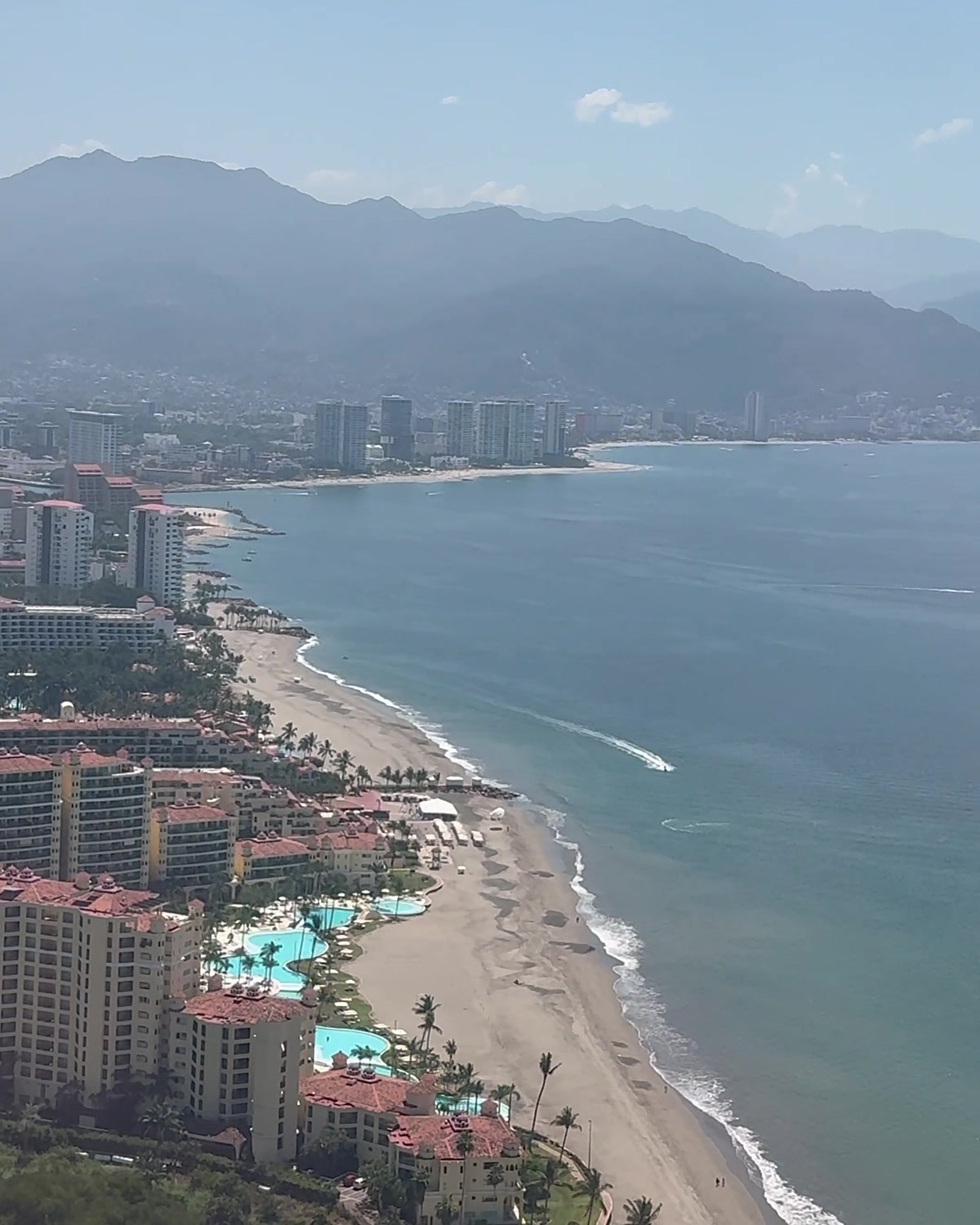
Today the airport handles more than 6.8 million passengers a year, with seasonal routes to dozens of cities in the United States and Canada. A new Terminal 2 is under construction and is designed to roughly double the airport’s capacity.
For anyone who owns here, that matters more than most people realize. How easy it is to fly in affects how often you actually use your home, how easily you can rent it, and how quickly it sells when the time comes. Direct flights from across North America are one of the quiet reasons Vallarta property holds its value.
Where it stands
As of October 19, 2026, nothing has changed yet. The Senate still has to approve the new amount, and it only takes effect once the decree is published in the Diario Oficial de la Federación. Until then, the fee remains 983 pesos. We will update this article with the final figure once the Senate votes.
Our advice for visitors is simple: allow for a modest increase when you budget for next year’s trip. If you are flying commercially, the fee is included in your ticket, so there is nothing separate to pay at the airport.
We get asked about this fee all the time by clients who split their year between here and home, and the refund surprises almost everyone. If you are thinking about residency, or about buying in Puerto Vallarta or Riviera Nayarit, we are always glad to talk through how it all works in practice.
Tom & Hannah
Selling Puerto Vallarta
Tom Gordon & Hannah López
Coldwell Banker La Costa, Puerto Vallarta
Hannah Lopez & Tom Gordon Team
Coldwell Banker Global Luxury · CLHMS · AMPI
tom.gordon@luxuryvallartarealty.com
+1 512 569 6371
luxuryvallartarealty.com
Sources
- Expansión: Ley de Derechos 2027 passes the Chamber of Deputies
- Proceso: what the DNR is and how much it would rise
- Jointly: DNR rises 175 pesos, bill now in the Senate
- El Cronista: the 1,158 peso fee is not in effect until published
- Garza Blanca: Puerto Vallarta’s history, the 1950s village and air access
- Soul of America: Mexicana’s 1954 and 1962 routes to Puerto Vallarta
- Mexico Business News: Terminal 2 construction and capacity
- Aeropuertos del Mundo: 6.8 million passengers in 2024
The 2027 amount is proposed and is not in effect until the Senate approves it and the decree is published. Airline refund rules and deadlines change, so check with your carrier. This article is general information, not legal or immigration advice.
Written October 2026.