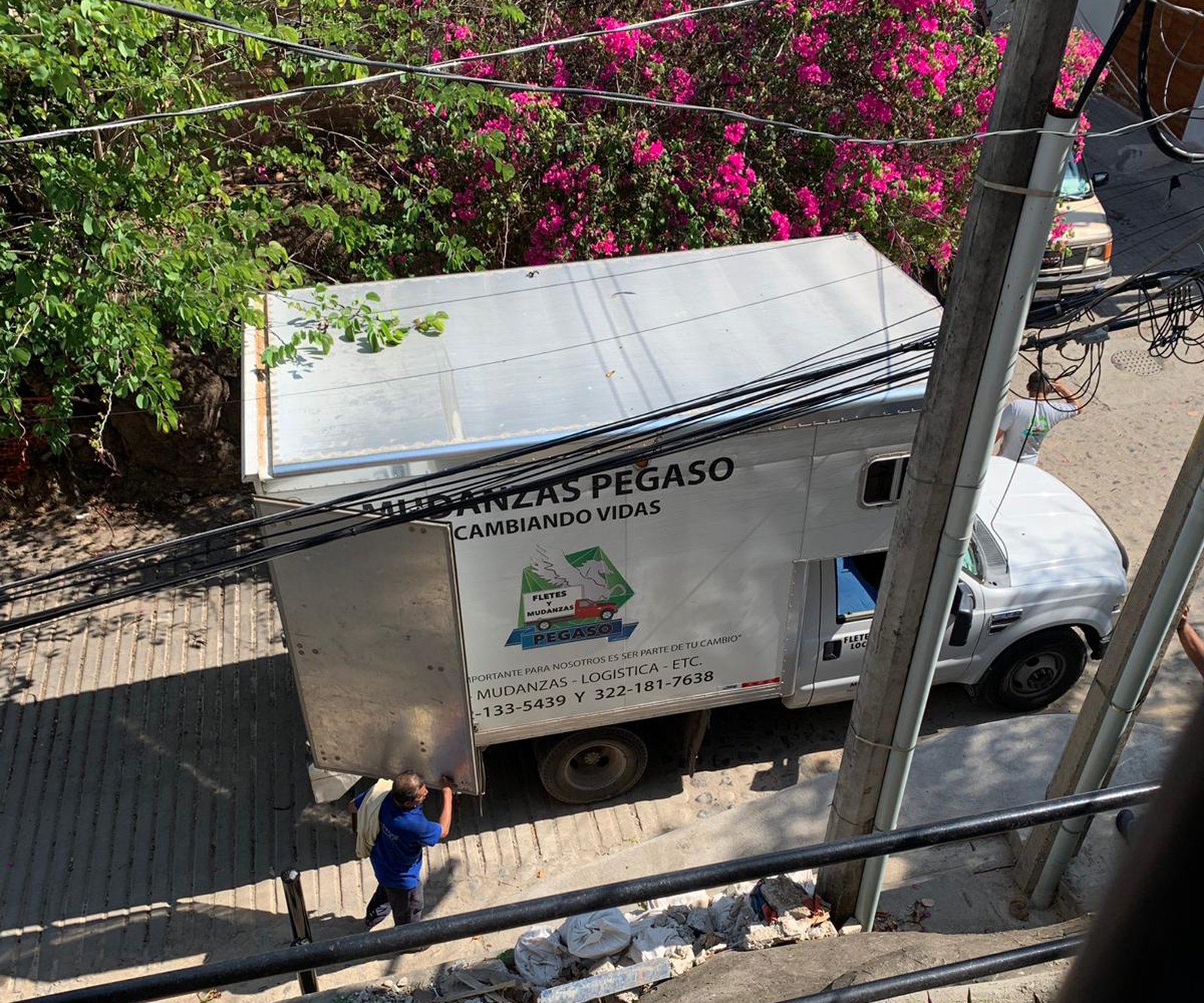
At the end of 2018, my husband Chuck and I shipped a full container from Austin to Puerto Vallarta. The quote was around $8,000. By the time our things reached our door, the bill was closer to $16,000, and we waited about six months for it.
Almost all of that difference came from one piece of paper nobody mentioned before the container left Texas.
What happened to our container
We did not pack a thing. The shipping company required that their own crew pack everything for the load to be insured, so they wrapped and boxed the whole house, numbered every box and tote, and wrote a detailed inventory of what was in each one. In English. Somewhere in that container was a leather couch between eight and ten feet long that we had decided we could not live without.
When the container reached Mexico, it went into storage so the contents could be inspected, and inspection required that same inventory in Spanish. Nobody had mentioned that in Austin. So the whole shipment sat in a warehouse while we worked out how to translate fifteen or sixteen pages of household goods, and every week it sat there cost money.
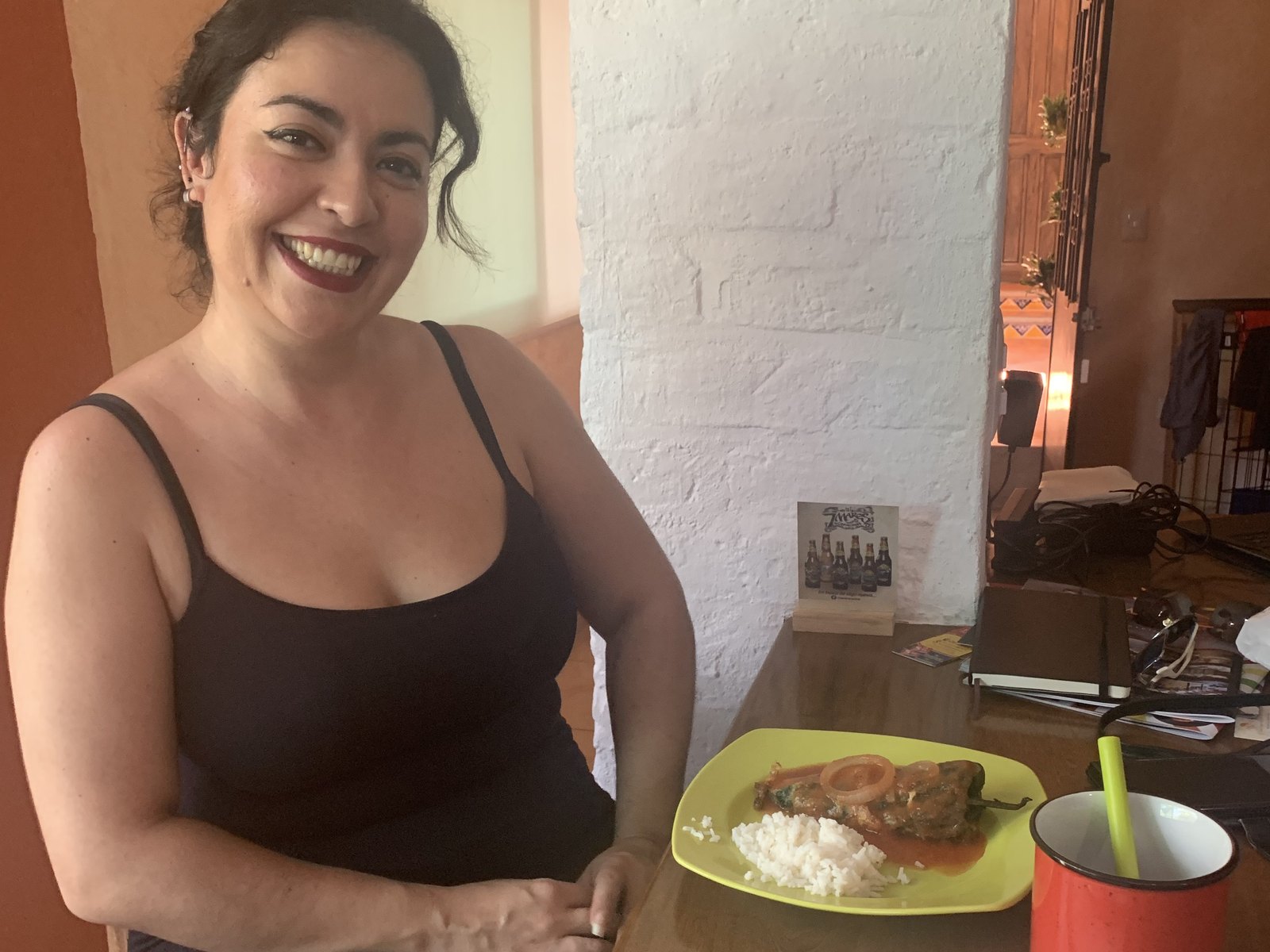
At the time we owned Casa Tamarindo, a guest house in Old Town, and one of our very first guests offered to help. Her name is Karla. She and I sat down at the table with the whole stack and went through it line by line, tote by tote. I told her what each item was in English and she gave it to me in Spanish, and we converted the entire document that way. It took four or five hours.

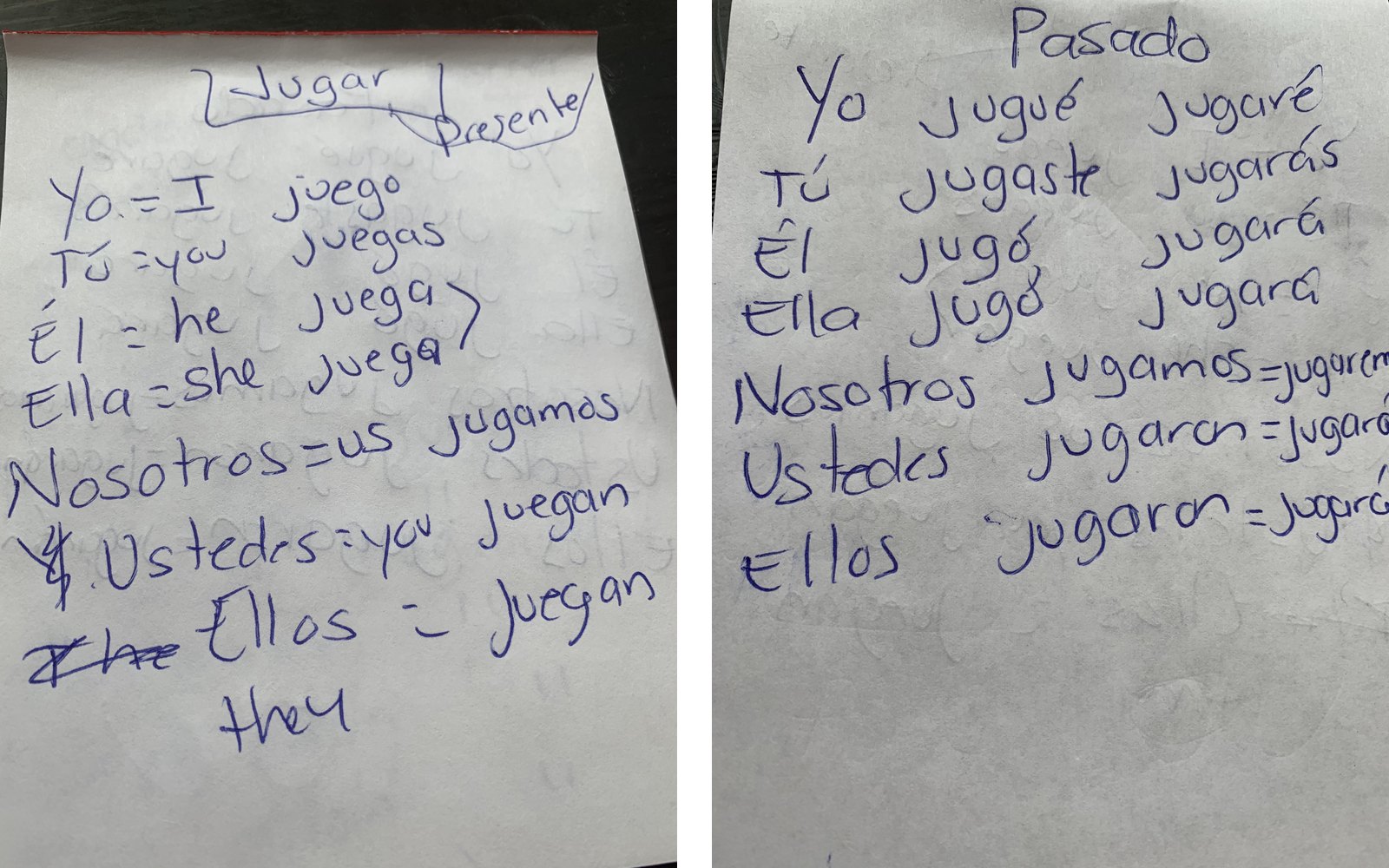
Karla did not stop at the inventory. She started giving us Spanish lessons at the same table, and I still have the pages: verb conjugations in her handwriting, jugar in the present, the past and the future, a list of words with the letter g that I kept getting wrong. Then one morning she walked us to the market, showed us how to pick out poblanos and everything else that goes into chiles rellenos, and took over the Casa Tamarindo kitchen to teach us how to make them. My Spanish was better by the end of it. Her English was too. She is still a friend we talk to today.
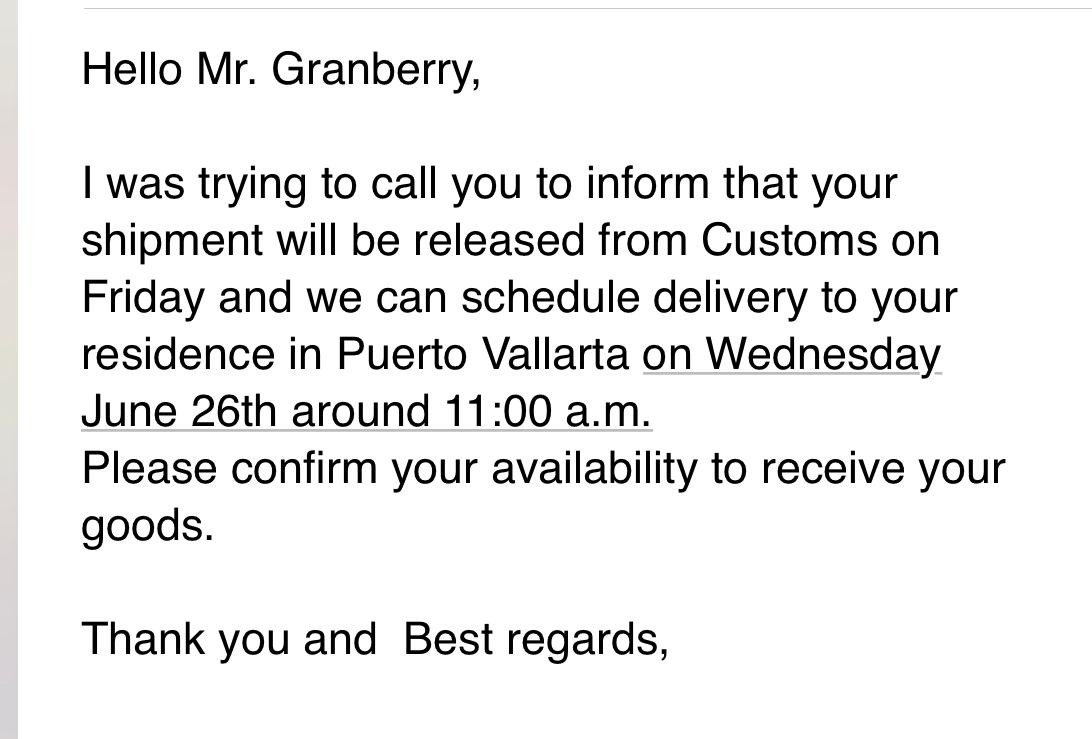
That afternoon is my favorite memory of the move. It was also the most expensive afternoon of it, because the warehouse had been charging us for months by the time we got there. Then one Friday in June an email arrived saying the shipment would be released from customs and delivered the following Wednesday at eleven in the morning.
I will say this for the process: it works. Out of an entire household, exactly one thing went missing, a small air compressor. Exactly one thing broke, the middle legs on that couch, which we probably should have unscrewed before it went in the container. Everything else arrived in the same condition it left Texas.
The lesson was never that shipping to Mexico is risky. The lesson was that the order you do things in decides what it costs. Everything below is what we wish someone had told us in Austin.
Speak with your mover before anything goes into storage
You may already know where you want to live in Mexico, even if you are still deciding what to bring. Perhaps you are renting first, waiting to close on a condo, or watching your new home take shape. Putting your furniture into storage can give you breathing room.
Before anything is packed, though, call your international mover and ask what they will need from you on the other end, and ask specifically whether the inventory they produce will be in Spanish or only in English. The inventory, packing and storage decisions you make now affect both customs clearance and insurance coverage later. A few questions at this stage can save you from unpacking everything twice, or from paying for a warehouse while you try to remember what you own.
Start with the home you are moving into
Before paying to store and ship an entire household, consider what will actually fit your life in Puerto Vallarta or Riviera Nayarit. A large share of the resale condos we sell here come furnished, and many of our buyers end up shipping far less than they first expected.
Confirm which furnishings and appliances are included with your property, and measure the pieces you hope to bring. Check doorways, elevators and stairwells as well as the rooms themselves. Then compare the full cost of packing, storage, insurance and international delivery with the cost of replacing ordinary items locally. A family heirloom may be worth bringing regardless. A ten-foot leather couch deserves a second look. We know.
What we would do today: hire a driver, not a container
Here is the part of the story we learned after eight years of living here. You do not need a shipping company to get your things to Puerto Vallarta. There are people here, and all over Mexico, who do this for a living. They drive up to Texas, California, Arizona or wherever your household is, load it, and bring it to your door. You can pack it yourself, and it arrives when you do, so nothing has to sit in a warehouse waiting for you to close on the condo. Some of them will bring your dogs down in the truck with them, which saves the animals a flight.
In our experience the cost runs well under half of what a container move costs. We are not going to name companies here, but they are easy to find. Join the Puerto Vallarta expat and relocation groups on Facebook, ask who people have used, and you will get real answers from people who made the trip last month. That is how most of our buyers find theirs now.
It is still worth asking each driver exactly how they handle the border crossing, what paperwork they need from you, and what insurance covers the load while it is on the road. Get those answers in writing before you compare prices, because the cheapest quote that leaves out customs is not a real quote.
We did not know this option existed in 2018. We are not sure it did. If we were moving today, this is how our things would get here.
Confirm your customs route and timing
Mexico has procedures for importing qualifying used household goods, commonly called menaje de casa. Eligible residents may qualify for duty relief, but temporary and permanent residency do not follow identical rules. Temporary residents generally bring household goods in temporarily, subject to their immigration status.1
Ask your mover and customs broker which procedure applies to you, what documents are required, and whether you need a consular certificate. Confirm the relevant dates before committing to months of storage. The Mexican Consulate in Houston, for example, publishes a six-month arrival window tied to your formal entry into Mexico. Do not assume the deadline is simply six months from the date your visa was issued.2
Get instructions for your circumstances in writing, including the required inventory format. Duty relief also does not mean the entire move is free of customs brokerage, transport or handling charges.
Write the inventory while you can still see everything
This is the step that cost us the most, and it is the easiest one to get right if you do it at the beginning.
Create one detailed working inventory before packing, then use it to prepare the separate forms your mover, customs broker and insurer require. A customs inventory identifies what is entering Mexico. Insurance documentation records what you want covered and its declared value.
Give every box a number and record its contents. "Box 12: eight dinner plates, eight bowls and six wine glasses" will be far more useful later than "kitchen." Photograph valuable pieces, existing damage and the contents of boxes before closing them.
Record the brand, model and serial number of electronics and appliances while their labels are accessible. Houston's consular guidance specifically requests these details and a Spanish-language inventory. Ask your own consulate and broker to confirm their requirements.2
If your mover insists on packing everything themselves so the load can be insured, as ours did, you still want to see the list as they write it, and you want it in both languages before the container leaves. Keep digital copies of the inventory, photographs, receipts and any appraisals somewhere you can reach throughout the move, and update the list whenever something is added or removed. If the Spanish version exists before the container ships, you will never have to translate it while your things sit in a warehouse. Not everyone gets a Karla.
Choose storage with insurance in mind
Ask for the actual coverage terms before packing begins. Find out whether protection includes individual missing items and accidental damage, or only specified events such as a total shipment loss. Confirm the deductible, valuation method, exclusions and claims deadlines.
Self-storage and owner-packed boxes deserve particular attention. Our shipping company would only insure the load if their own crew packed it, which is common. Some policies limit coverage when the mover cannot verify an item's condition or contents. Goods coming out of storage may need inspection, a new inventory or repacking to qualify for the coverage you want. Requirements vary, so obtain written confirmation from the insurer.3
Also confirm exactly when coverage begins and ends, whether storage is included, and how long that coverage lasts. Ask about humidity or mold exclusions and any special requirements for artwork, antiques or other valuable belongings. Do not assume one policy protects every stage of the journey.
Review the contents before the truck arrives
A household shipment cannot simply contain everything left in the garage or pantry. Mexican consular guidance excludes food, beverages and motor vehicles from household goods and prohibits firearms in the shipment. New appliances also do not qualify under the used-household-goods procedure.4
Request your mover's current restricted-items list and have the customs broker review anything uncertain. Flag alcohol, plants, chemicals, batteries and gas-powered equipment before packing, since their transport or import requirements may differ. Never rely on an old box label to tell you what is inside.
Coordinate delivery with your arrival in Vallarta
Before booking the final delivery, confirm that you will have possession of the property and that the building can receive your shipment. Ask the administrator about delivery hours, elevator reservations, truck access and any move-in requirements.
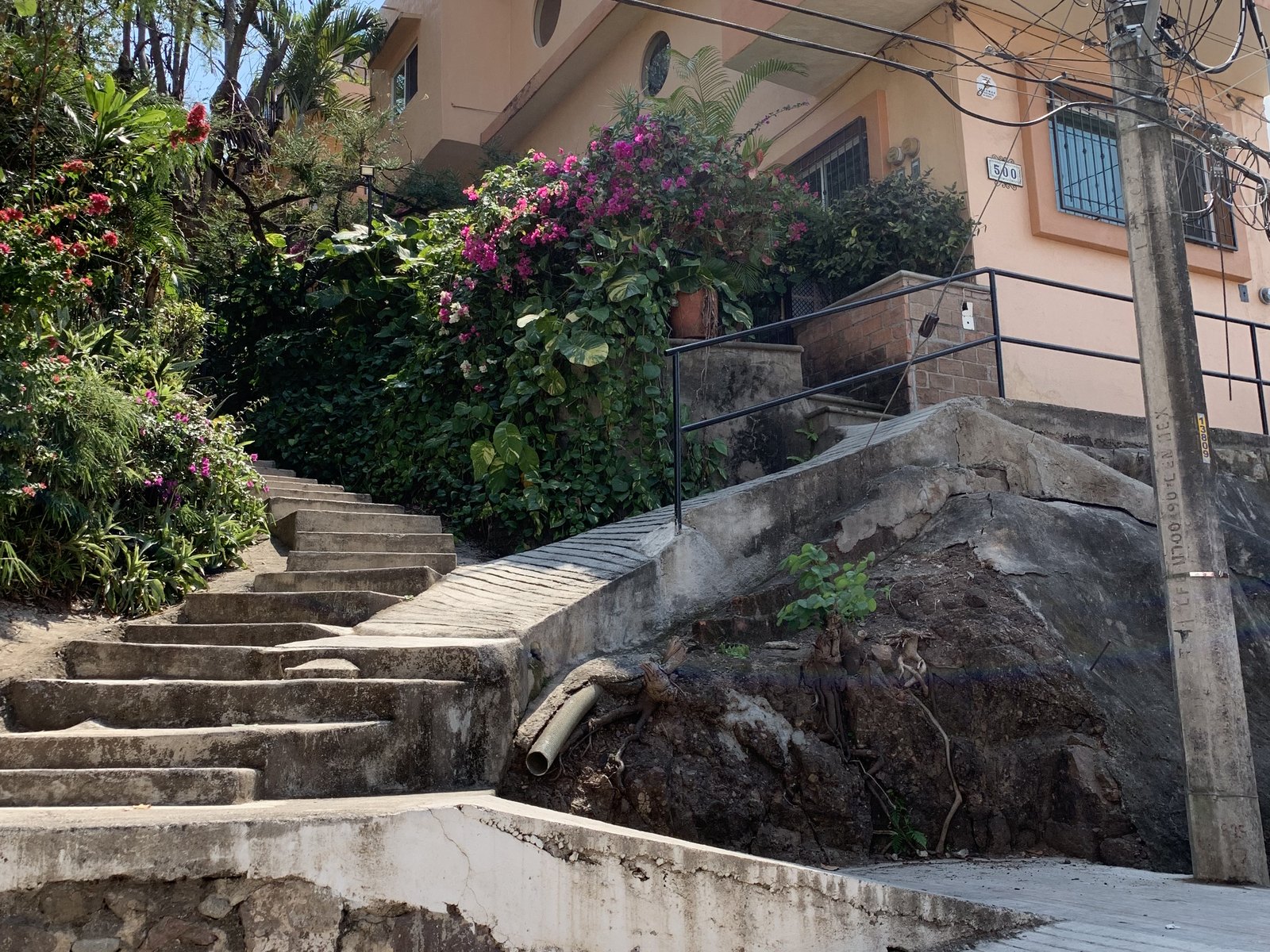
In the hillside neighborhoods, a full-size truck often cannot reach the building at all. Ours could not make the hill. The crew unloaded the container truck at the bottom into a smaller one, drove that up, carried everything up the stairs by hand, and went back down for more. It took three trips, couch included. Budget for that, in money and in patience.
If you are buying pre-construction, discuss a backup storage plan and the cost of extending coverage if your delivery date changes. We work with buyers at every stage of construction, and delivery dates do move. Keep passports, residency documents, medication and the essentials for your first few days with you.
What we would do differently
We would have skipped the container and hired a driver to bring everything down when we arrived. Failing that, we would have called the mover before the first box was taped and had the inventory translated into Spanish before it left Texas. And we would have taken the legs off the couch.
A well-planned move gives you more time to enjoy the home you have chosen. If Puerto Vallarta or Riviera Nayarit is your next chapter, we would love to help you find a property that fits the way you want to live, and to think through the practical details before moving day. We have been through it ourselves.
Tom Gordon & Hannah López
Coldwell Banker La Costa, Puerto Vallarta
Hannah Lopez & Tom Gordon Team
Coldwell Banker Global Luxury · CLHMS · AMPI
tom.gordon@luxuryvallartarealty.com
+1 512 569 6371
luxuryvallartarealty.com
Sources
- 1. Mexican Consulate in Toronto, Household goods. consulmex.sre.gob.mx/toronto
- 2. Mexican Consulate in Houston, Import of household goods (menaje de casa). consulmex.sre.gob.mx/houston
- 3. Moving Insurance, FAQ and policy-specific coverage information. movinginsurance.com
- 4. Mexican Consulate in Boston, Household goods. consulmex.sre.gob.mx/boston
Disclaimer: This article describes our own experience and general practical information for people relocating to Puerto Vallarta and Riviera Nayarit. It is not legal, customs or insurance advice. Consular guidance was checked September 2026 and changes over time. Customs eligibility, deadlines and insurance coverage should be confirmed for each move with your mover, customs broker, insurer and consulate.
Written September 2026.