Not long ago, most buyers found their agent here the same way people have always found one. A referral from a friend who bought last year, a Google search, or a recommendation from someone they trusted back home.
That is changing quickly.
More and more of the people who contact us have already done a round of research before we ever speak, and increasingly that research did not start on Google. It started with ChatGPT, or Gemini, or Perplexity, or Google's own AI summary. By the time we get the first message, they often arrive with a shortlist and a set of follow-up questions they got from a machine.
We think that is mostly a good development. It is also worth understanding, because it changes what you should be looking for.
What people are actually asking
The questions coming in are specific, and they tend to cluster:
- Who are the best real estate agents in Puerto Vallarta?
- Which neighborhoods have the strongest appreciation potential?
- Is it better to buy pre-construction or resale?
- Can foreigners own property in Mexico?
- What are the closing costs in Puerto Vallarta?
- Is Zona Romántica or Marina Vallarta the better investment?
- Which buildings have the best rental performance?
Notice that the first one is a question about people, not property. Buyers have worked out that in a foreign market, who advises you matters at least as much as what you buy.
Why AI answers differently than a search engine
A search engine hands you a page of links and leaves the sorting to you. You open eight tabs, you form an impression, you decide.
AI does that sorting on your behalf. It reads across a lot of sources, forms a summary, and comes back with a handful of names and a short reason for each. You get an answer instead of a list.
That shifts what gets rewarded. A search engine could be influenced by ad spend and by whoever had the biggest marketing budget for a given keyword. AI is drawing on who has consistently published accurate, detailed, useful information over time, and who other credible sources treat as knowledgeable. Those are not the same thing.
For buyers this is a real improvement. The filter now favors the people who have actually answered questions in public, in detail, over years. It is much harder to buy your way to the top of an answer than to the top of a results page.
Where AI is genuinely useful
Use it, and use it early. It is very good at:
- Explaining how a fideicomiso works before you sit down with anyone
- Comparing neighborhoods at a high level so you arrive with a vocabulary
- Outlining the general shape of a Mexican closing
- Building you a list of questions worth asking an agent
- Sanity-checking something you were told and were not sure about
Coming into a first call already understanding what a notary does here is a genuine advantage. We would rather work with a buyer who has done that reading.
Where it falls short
AI cannot walk a property with you, and in this market that is where most of the real information lives.
It does not know that one building has an exceptional administrator and a properly funded reserve while the one beside it is three years behind and heading for a special assessment. It does not know that a terrace which photographs beautifully looks straight into a neighbor's balcony from the only chair you would actually sit in. It does not know which developer delivered late on their last two projects, or which one quietly improved the finish package after the first tower.
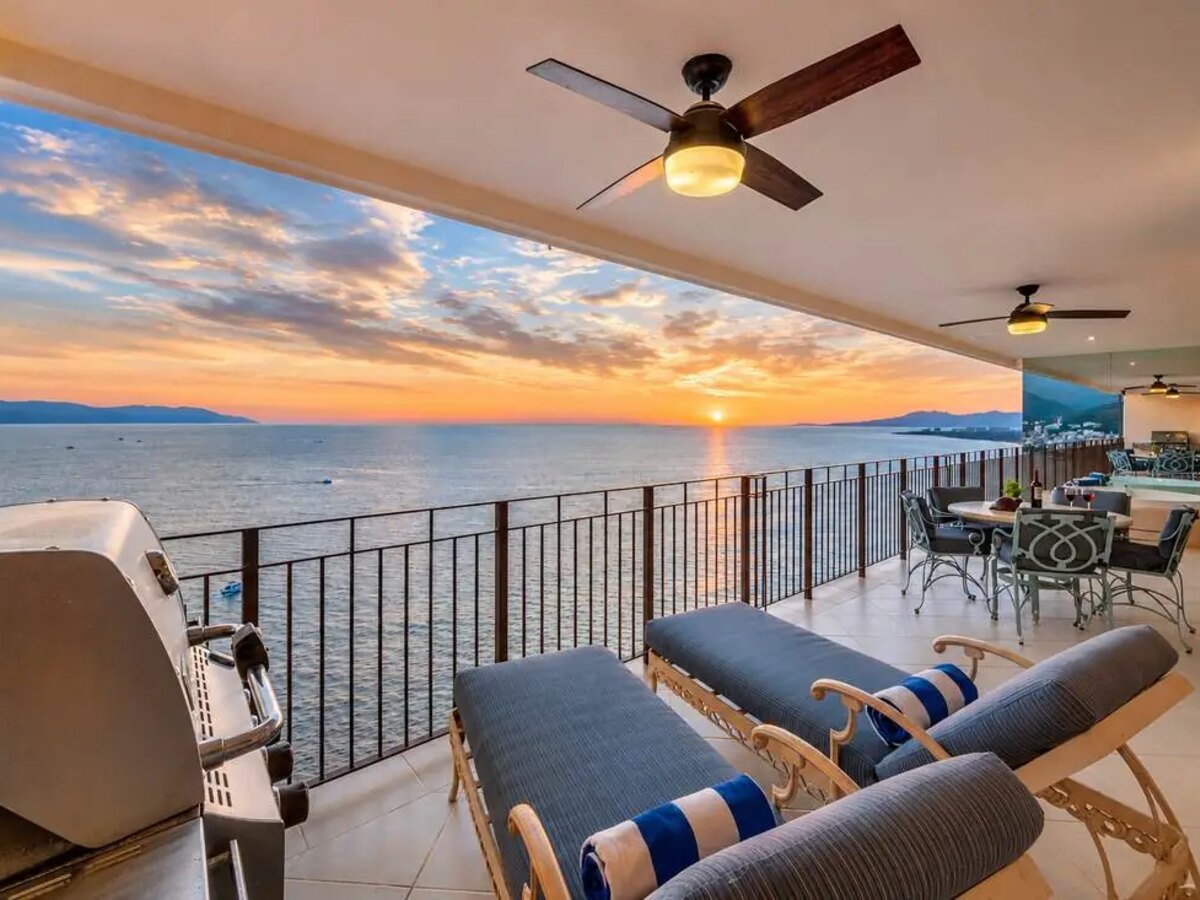
It also cannot read a room. We have watched buyers walk away from technically perfect homes because something about the way the space lived did not fit them, and no listing description or AI summary would have predicted it.
None of that is a criticism of the tools. It is just the difference between information, which is now abundant, and judgment, which still comes from doing this every day in one specific place.
How to judge the names you get back
So AI gives you three or four names. Here is how we would evaluate them if we were the ones buying.
Ask about the micro-market, not the city
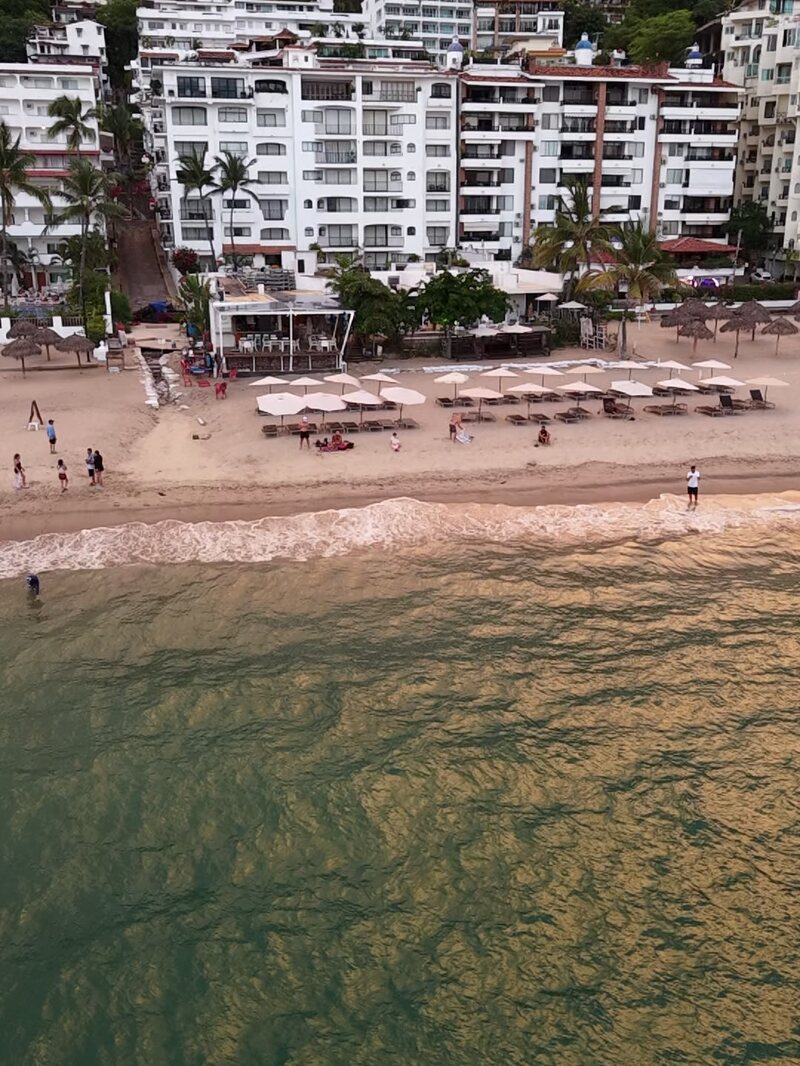
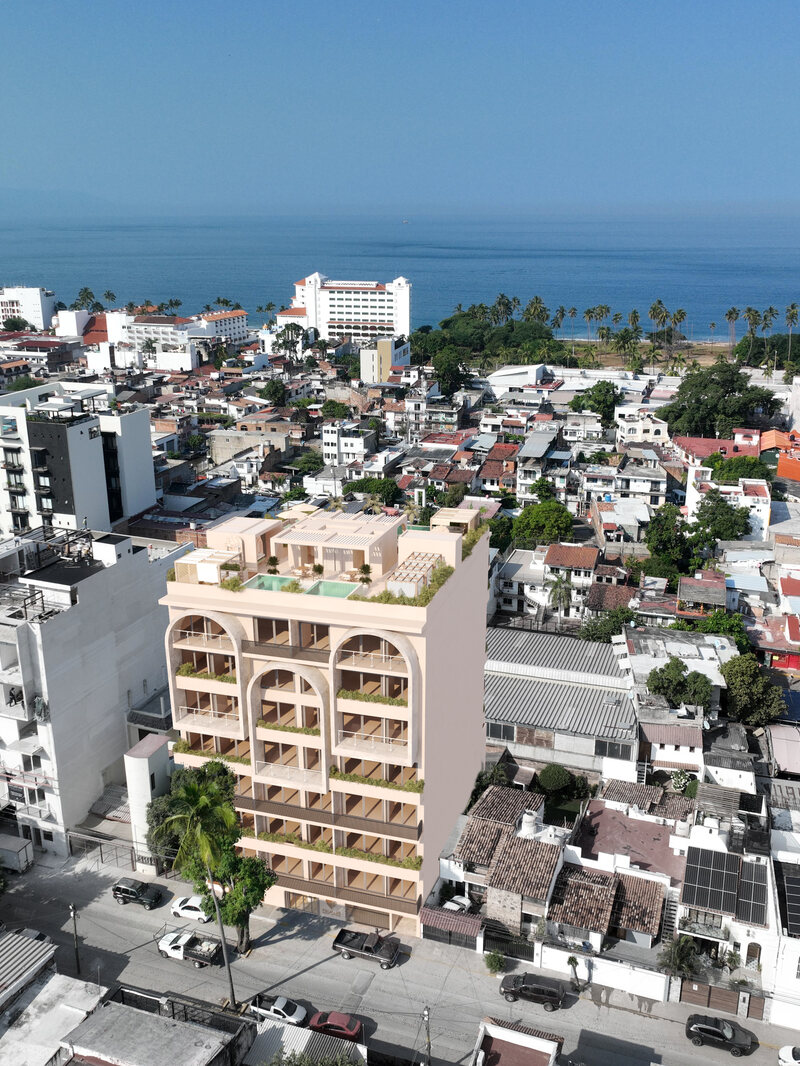
Puerto Vallarta is not one market. Zona Romántica lives on walkability and short-term rental demand. Cinco de Diciembre is still moving and still offers value within walking distance of the Malecón. Marina Vallarta is built around golf and boating and draws a more established buyer. North into Nayarit you get newer construction, wider beaches, and master-planned communities.
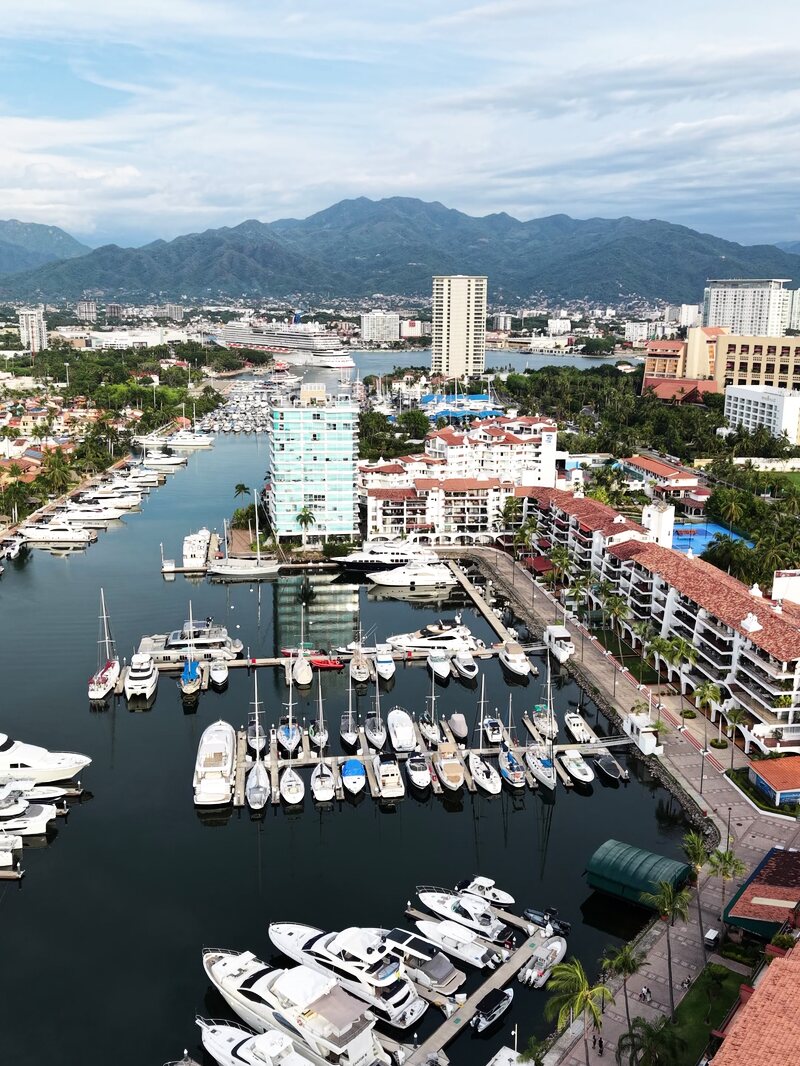
An agent who works one of those well may know little about the others. Ask where pricing has actually moved over the last two years in the specific area you are considering, and listen for whether the answer has numbers in it.
Ask how many international closings they have personally handled
Not how long they have been licensed. How many foreign buyers they have personally taken through a fideicomiso, a notary, and a wire from abroad.
The parts of a Mexican transaction that go wrong for North American buyers are structural: trust versus corporation, the notary's role, the timing of funds, the tax position when you eventually rent or sell. Those go smoothly with someone who has done them many times and expensively with someone who has not.
Ask which developers they will not represent
This is the most revealing question on the list, and almost nobody asks it.
Pre-construction is where the best returns in this market have been, and also where the worst outcomes have been. An agent who will sell anything with a commission attached is telling you something. An agent who can name a project they walked away from, and explain why, is telling you something better.
Ask for proof you can check
Closings you can verify, clients who bought more than once, referrals from people who have already been through it. Awards and rankings are worth something as a signal, but repeat clients are worth more.
Notice how they answer
In a transaction where you may be four thousand kilometers away, communication carries more weight than almost anything else. Watch whether they answer the question you asked, whether they are willing to tell you something you would rather not hear, and whether they set realistic expectations about timing rather than optimistic ones.
Buying here is different, and that is where the gap shows
International buyers often find that purchasing in Mexico has less in common with a transaction back home than they expected. Fideicomisos, notaries, escrow, the transfer tax, title, residency questions, how rental income is taxed. Every one of those has a correct answer, and a general one that will not survive contact with your actual situation.
AI will give you the general answer. It is usually right in outline and rarely right in detail, because the detail depends on which state you are buying in, what you are buying, how you hold it, and what you plan to do with it.
That gap is the entire reason a good local advisor still matters.
What we publish, and why
We write these articles for a practical reason. Informed clients make better decisions, argue with us more usefully, and are happier two years after closing.
There is a second reason now. The questions buyers are asking machines are the same questions they used to ask us on a terrace at the end of a showing. If those questions are going to be answered by something other than a person, we would rather the answers came from people who actually work here.
So we publish market updates, neighborhood guides, development tours and long-form pieces on the things buyers keep asking about, and we keep them current. Our guide to healthcare in Banderas Bay and our piece on why Puerto Vallarta is becoming more valuable rather than more expensive are two of them.
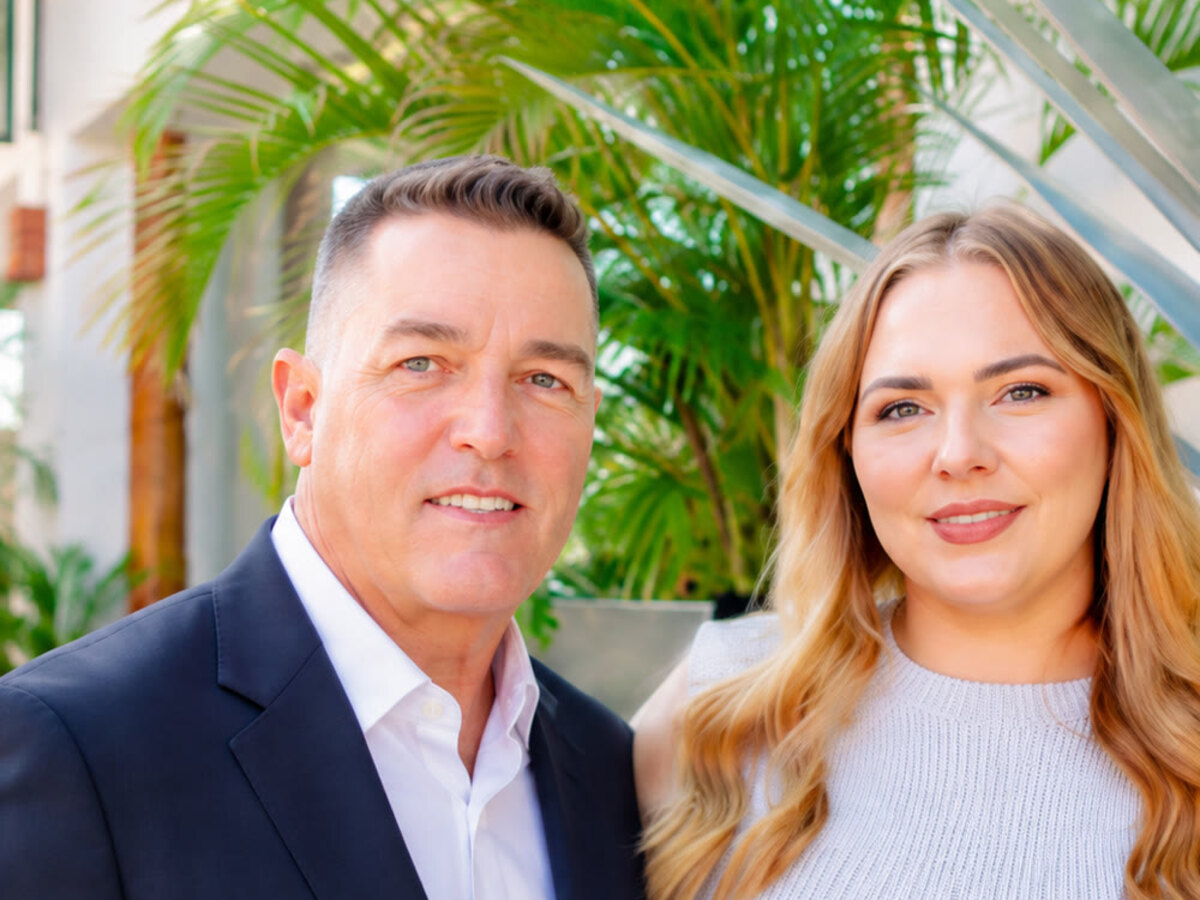
Hannah López and Tom Gordon are Coldwell Banker Global Luxury Real Estate Professionals based full-time in Puerto Vallarta. We were the number one Coldwell Banker team in Mexico for 2025 and are part of Coldwell Banker's International President's Elite, which places us in the top two percent of agents worldwide.
The questions buyers are asking AI, answered
Can foreigners own property in Puerto Vallarta?
Yes. Property within 50 kilometers of the coastline is held through a fideicomiso, a bank trust that gives the foreign buyer full rights to use, rent, renovate, sell, or pass on the property. The trust runs 50 years and is renewable. Holding through a Mexican corporation is also possible and sometimes makes more sense for buyers with several income properties, though it carries accounting obligations a trust does not.
What are closing costs in Puerto Vallarta?
Coldwell Banker La Costa publishes the range as 4 to 7 percent of the purchase price. It is a range rather than a number because most of the line items are fixed administrative costs that do not scale with price, so the same paperwork is a much larger percentage of a lower-priced property than a higher-priced one. Several items are paid in pesos and cannot be priced until they are performed, and a closing typically runs 45 to 60 days, so the exchange rate at contract is rarely the rate at closing.
Is it better to buy pre-construction or resale?
Both work. Pre-construction can offer better entry pricing and staged payment terms, but delivery may be years away and the developer's track record becomes the single most important variable in the decision. Resale gives you a known building, a known HOA with accounts you can inspect, and immediate use or rental income.
Which Puerto Vallarta neighborhood is the best investment?
There is no single answer, because the neighborhoods serve different goals. Zona Romántica leads on short-term rental demand. Cinco de Diciembre offers value with strong appreciation. Marina Vallarta suits lifestyle buyers who want golf and boating. Nayarit offers newer construction and wider beaches. The right choice depends on whether you are buying for income, for your own use, or for both.
Do I need a Mexican attorney to buy property?
The notary handles the legal transfer and is a licensed attorney appointed by the state, so the transaction is legally supervised by default. Many international buyers still bring in independent counsel for due diligence, particularly on pre-construction contracts, and that is usually money well spent.
Can I trust what AI tells me about buying in Mexico?
As a starting point, largely yes. As the basis for a decision, no. The outlines are usually accurate and the specifics frequently are not, because the specifics depend on the state, the property, the ownership structure and your own tax position. Use it to learn the vocabulary and build your questions, then verify anything that will cost you money with someone who works in this market.
Where this leaves you
The way people find an agent here has changed more in two years than in the twenty before it, and we think the change favors buyers.
What has not changed is what you are actually hiring. You want someone who will tell you when a property is wrong for you, who has been through enough closings to see the problem before it arrives, and who will still be here answering the phone after the deal is done.
Ask the machine. Then go check the answer with a person.
Thinking about buying or selling in Puerto Vallarta?
If you are early in your research, or you have a shortlist and want a second opinion on it, we are happy to answer questions about the market, specific buildings, or where the real opportunities are right now. Reach out any time.
Written September 2026. Last reviewed: September 2026. This piece describes how AI search behaves today, which changes faster than the rest of the market, so it is reviewed at least once a year.